Welcome to the exciting world of real Wasabi !
Fact #1:
Even as an experienced foodie you may have only tried FAUX wasabi before!
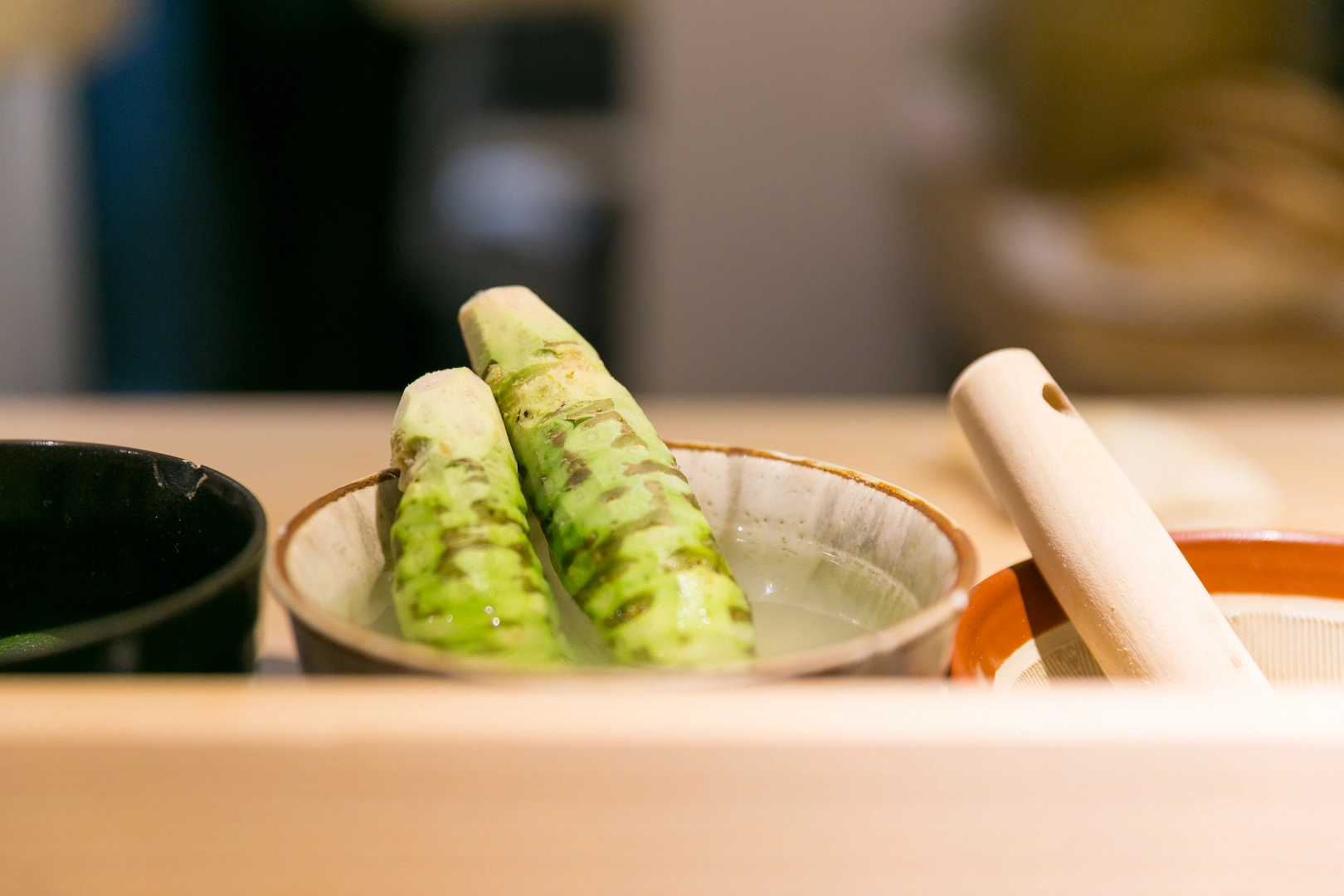
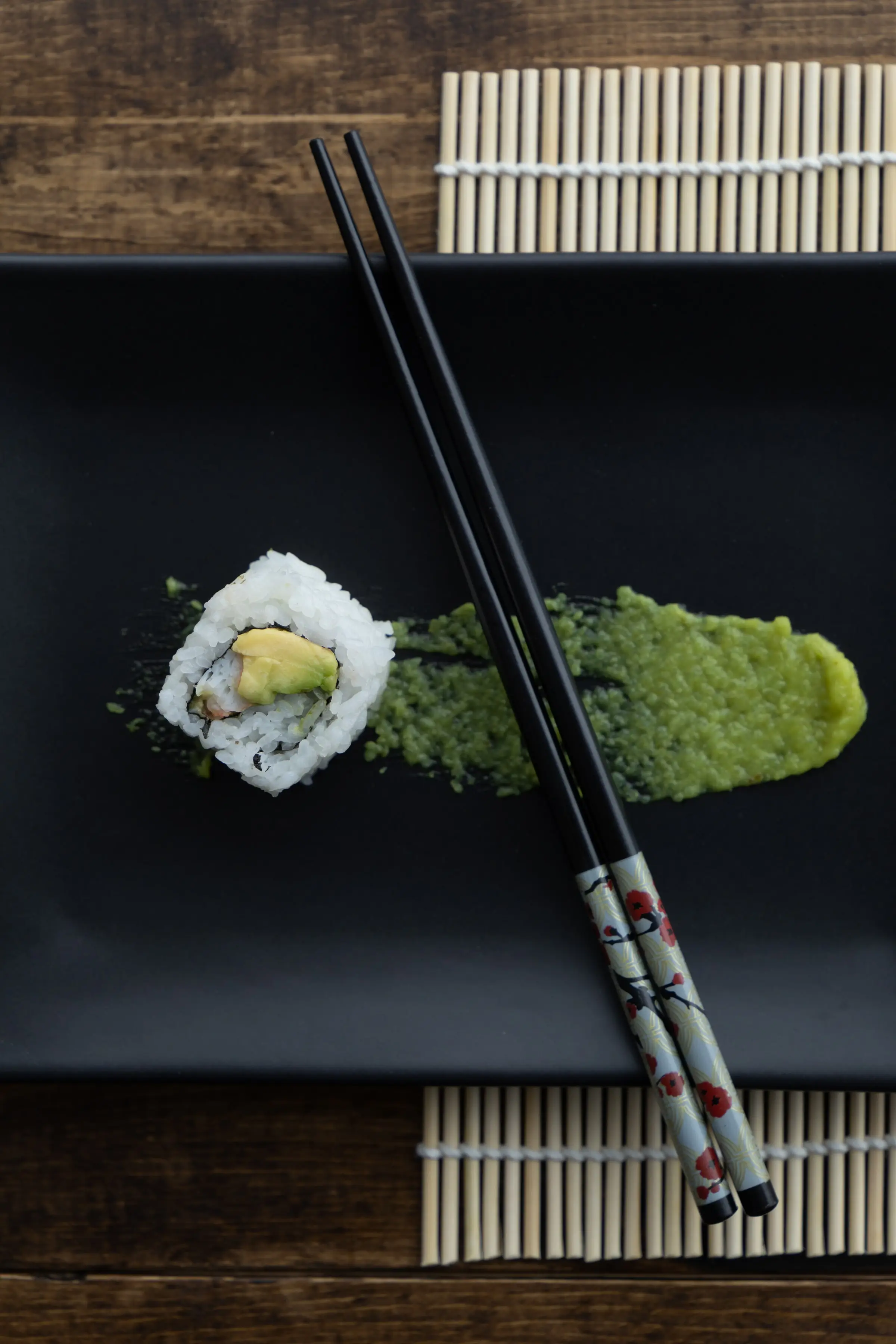
What is faux wasabi? It’s a spicy blend consisting of horseradish, mustard, flour, cornstarch, and green food colouring! Although it’s still extremely delicious and compliments any dish, especially sushi, it cannot compare to the taste of real fresh wasabi root ground to a fine paste. Over 95% of the sushi restaurants you come across now offer only the faux option but if you’re lucky enough to find an establishment that offers the true experience do not pass it up. One telling characteristic of faux wasabi is its overpowering wave of spiciness as soon as it enters your mouth, this is from the mustard seed in the blend. Real wasabi is not spicy in the slightest, but rather it gives off a pungent spicy aroma instead of spicy punch. The reason so many places are forced to use fake wasabi is that fresh wasabi root costs upwards of $250 per Kg. So maybe the cost-effective fake wasabi is the better option in the end! It tastes amazing either way.
Fact #2:
What is Wasabi? A wonder medicine?
Not only is this little root delicious to eat it also has a whole host of health benefits that include naturally occurring antiparasitic compounds, controls your cholesterol, and is packed with rich antioxidants. If that’s not enough of a reason for you to incorporate this into a healthy diet, then maybe it’s the ability to help prevent tooth decay by interfering with the sugar-dependant of the bacterium which protects from cavities. Still not convinced of these humble little roots healing properties? Well, one of the key components of wasabi is called 6-MITC, which stimulates and induces cell death of apoptosis in monoblastic leukemia cells. Yes, you read that correctly, wasabi can mitigate many different forms of cancer. Truly an incredible little plant that needs to be researched further and used more extensively! A word of caution though because as with everything there are possible side effects that can come along with all the benefits. Wasabi can worsen symptoms of gastritis, allergies, acid reflux, and it could also potentially slow down the clotting of blood. These side effects usually only appear when too much has been eaten.
Fact #3:
This delicacy is so scarce it's green gold!
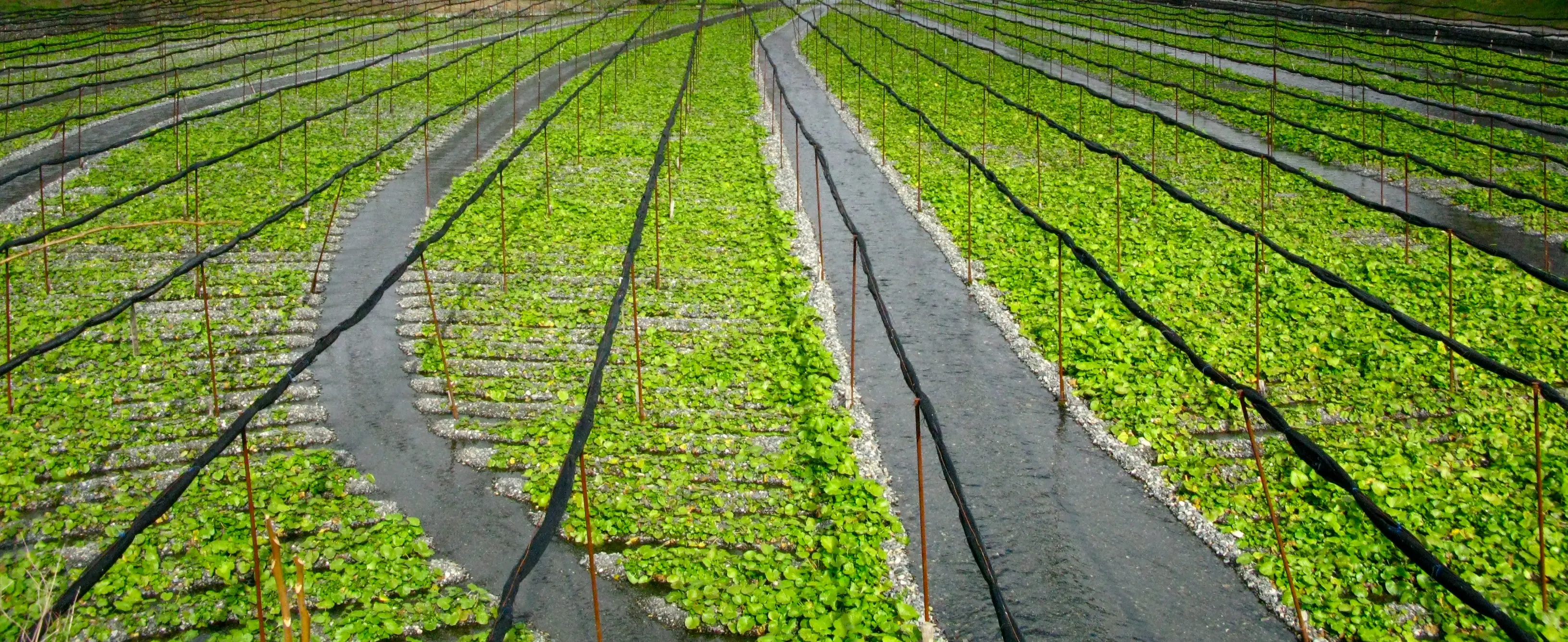
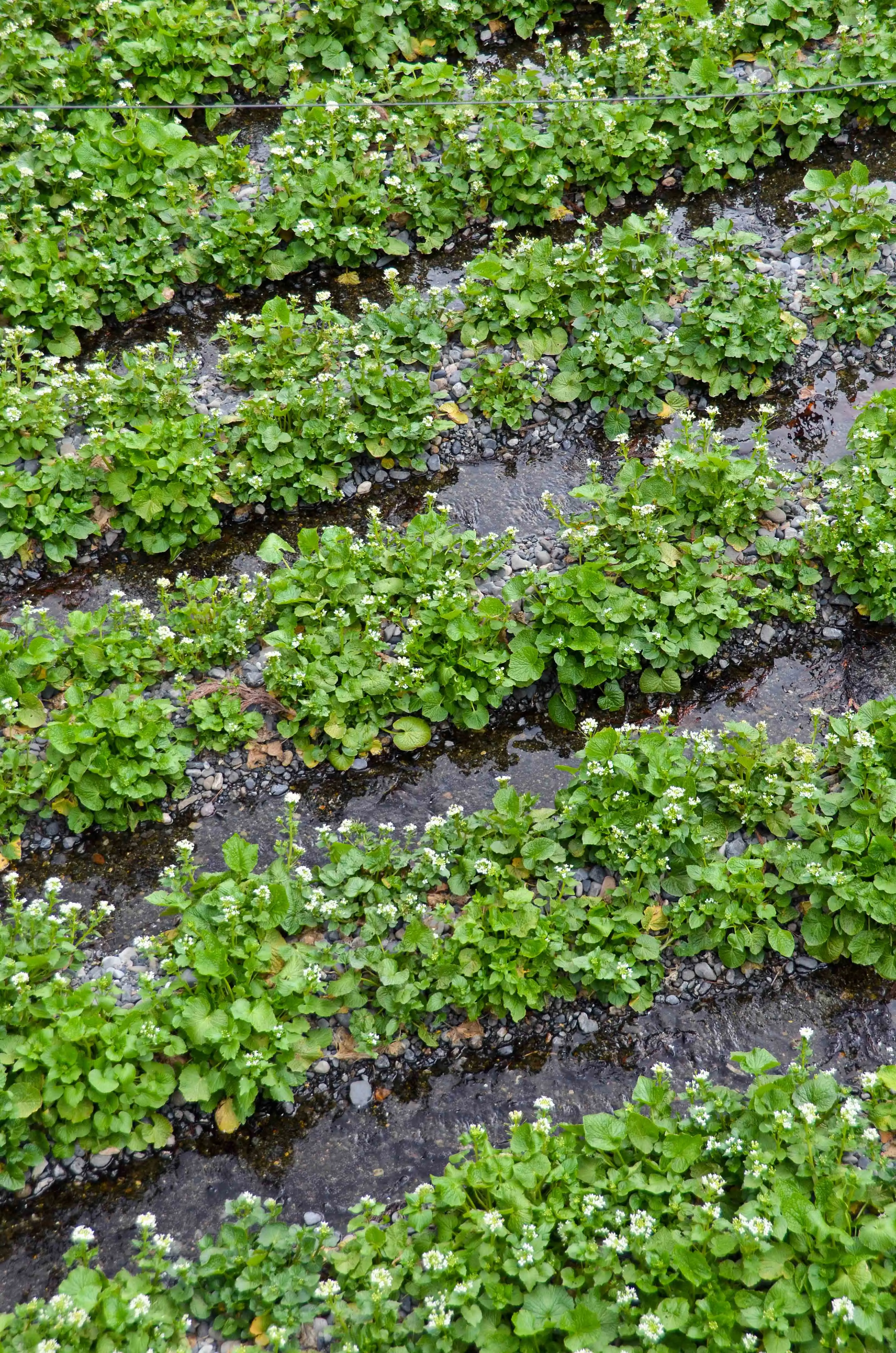
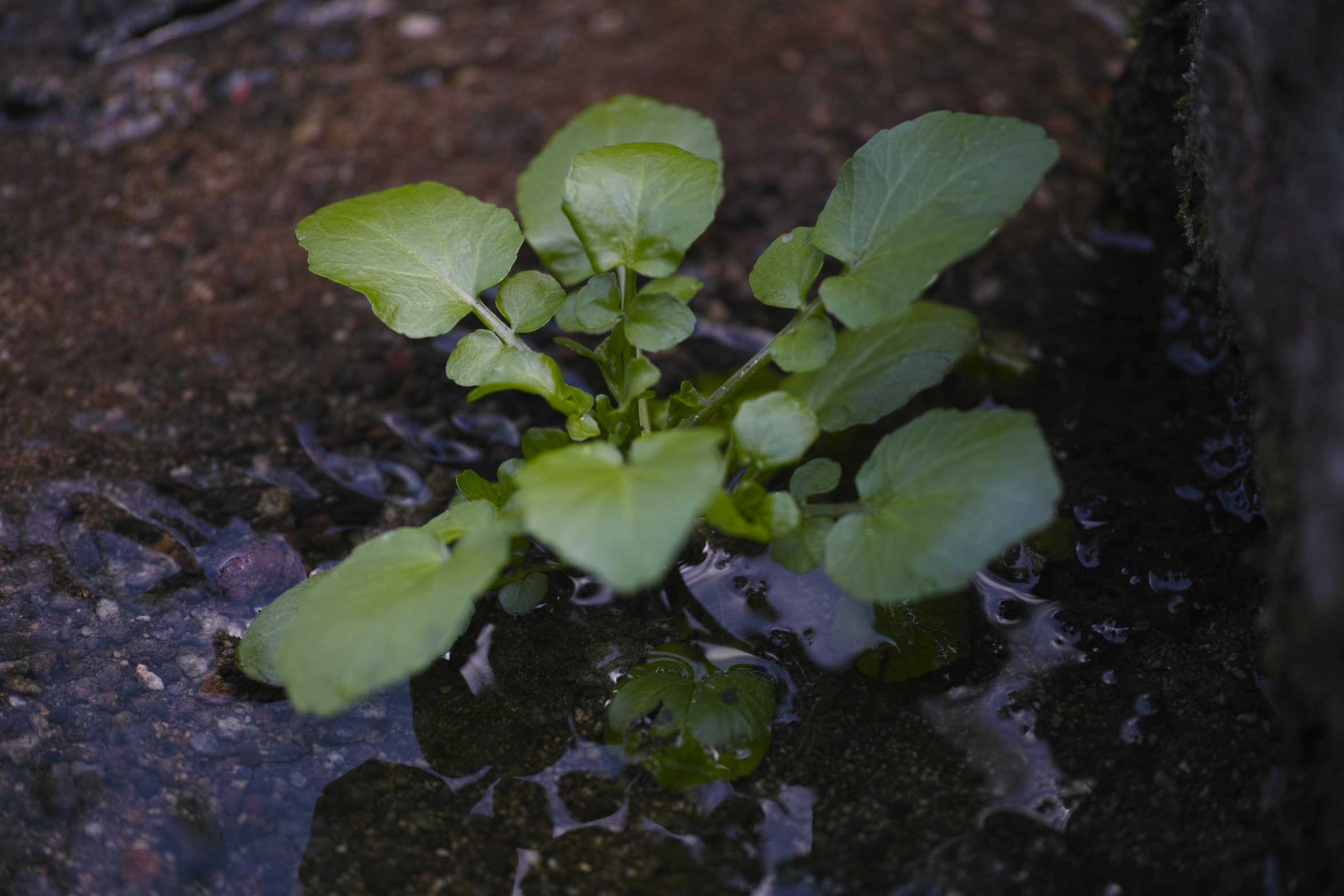
As mentioned in fun fact #1 the incredible cost of wasabi at upwards of 250$ a kg of the plant it can be compared to gold. But what makes this plant so expensive? It is one of the most difficult plants on the planet to grow. Wasabi plants require growing conditions that are extremely difficult to recreate in a mass-produced setting. To thrive the plant needs constant running cold spring water, constant shade throughout the day, a denser almost rocky soil, and a constant temperature range of 46 to 68 degrees Fahrenheit. These conditions are commonly occurring in Japan’s high mountain ranges with spring water flowing, but not so much anywhere else in the world. A few real wasabi farms have sprung up in the United States and British Columbia but not enough to even put a small dent in the demand that wasabi commands. On top of these difficult growing requirements, this root also begins to lose its flavour the moment it begins to get used, and that flavour is completely gone within 15 minutes which means it cannot be stored and reused later. Truly green gold.
Fact #4:
The root of the wasabi plant isn't the only valuable part!
The benefit of the delicious, crispy, and tender leaves of the wasabi plant don't deserve to be overlooked. This versatile leaf can be used to create salads, special soups, and out-of-this-world stir fry dishes that will leave you wishing this plant didn't take over two years to grow. The wasabi stalks themselves have a unique crunch to them and can be finely chopped up like a green onion and mixed into countless dishes or used as a garnish to enhance the flavour of anything it's on. A lot of the time the wasabi plant with a little bit of its root is ground into a very fine powder that’s used to add flavour to many different snacks. The most common of these snacks are wasabi peas and wasabi snap crackers. If you’re lucky enough to find it in a specialty shop the very rare wasabi kit kat bar is a chocolate bar that packs a punch! These have only ever been found in Japan though, so they are rare. It’s hard to imagine such an uncommon plant can be utilized in so many different functions, meals, and treats! Hopefully, one day we find a way to harvest larger amounts of it.